Top Eco Friendly Flooring Trends: Why Bamboo Leads the List
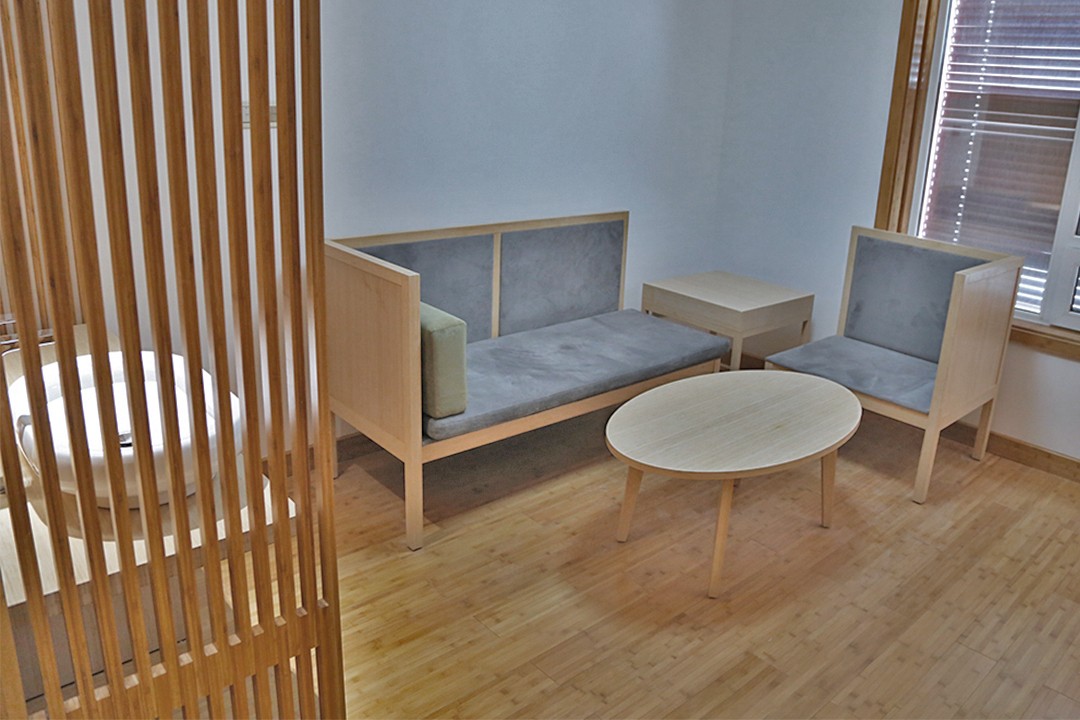
Builders, designers, and homeowners have grown increasingly selective about the materials they choose for interiors. Flooring, in particular, plays a central role not only in the look and feel of a space but also in its environmental footprint. As interest in sustainable building practice continues to grow, several flooring materials have emerged as strong contenders for projects that prioritize low impact, long‑lasting performance, and natural beauty. Among them, bamboo stands out, consistently ranking as one of the most preferred eco‑friendly options.
This shift isn’t driven by trendiness alone. It reflects a deeper understanding of how flooring affects indoor air quality, resource consumption, construction waste, and long‑term durability. Because floors cover so much surface area, the choice of material has a larger ecological consequence than many people realize. Bamboo has earned its position as a leading green flooring solution thanks to its blend of renewability, performance, aesthetic versatility, and manufacturing improvements that have matured significantly over the past decade.
Why Sustainability Matters in Flooring Choices
Sustainable flooring isn’t just about choosing natural materials. It involves evaluating how each product performs across several stages: sourcing, processing, transportation, installation, longevity, and disposal. Flooring that must be replaced frequently or contains chemicals that impact indoor air quality can undermine an otherwise eco‑focused project.
Builders and designers who prioritize sustainability tend to evaluate materials based on factors such as:
- Speed of renewability and regrowth
- Manufacturing energy use
- Recyclability and end‑of‑life impact
- Durability and service lifespan
- VOC emissions and indoor air quality ratings
- Carbon footprint associated with shipping and production
When all of these considerations are weighed together, bamboo repeatedly rises to the top.
Bamboo’s Rapid Renewability Sets It Apart
One of the defining advantages of bamboo is how quickly it regenerates. While hardwoods can take decades to mature, bamboo reaches harvestable maturity in a few short years. This fast growth rate reduces pressure on forests and allows for more frequent, predictable harvesting cycles.
Many bamboo plantations operate using responsible management practices that support soil stability, maintain biodiversity within surrounding areas, and minimize chemical interventions. Because of the plant’s natural strength and resistance to pests, large‑scale applications often require fewer inputs than traditional forestry operations.
The ability to harvest bamboo without killing the plant also contributes to long‑term environmental resilience. After cutting, bamboo regrows from its existing root system, reducing soil disturbance and erosion. This sustainability profile alone places it firmly among the most renewable natural flooring choices available.
How Modern Processing Techniques Improved Bamboo Flooring
Early versions of bamboo flooring were attractive yet limited in terms of durability and moisture resistance, which led some builders to approach it with caution. Over time, however, manufacturing processes have evolved dramatically. Modern engineered bamboo and strand‑woven bamboo are vastly more durable than earlier products, achieving hardness ratings that often exceed traditional hardwoods.
Several improvements helped bamboo gain a stronger foothold in both residential and commercial projects:
- More stable engineered cores reduce expansion and contraction
- Strand‑woven construction increases density and hardness
- Advanced adhesives with lower VOC emissions improve indoor air quality
- Durable surface coatings reduce scratching and moisture penetration
- More precise manufacturing leads to tighter milling and longer lifespan
These enhancements have turned bamboo into a high‑performance material capable of handling heavy foot traffic, varied interior climates, and long‑term wear.
Aesthetic Variety That Supports Modern Design
Eco‑friendly materials sometimes come with limited style options. Bamboo is an exception. Its natural tone has long appealed to designers looking for warm, calming environments, but manufacturers now offer a wider variety of colors, grains, and finishes that suit multiple design approaches.
Current styles include:
- Classic blond bamboo for airy, minimalist interiors
- Rich carbonized tones with deeper natural hues
- Textured and hand‑scraped finishes
- Wide plank formats that give spaces an open, modern feel
- Neutral greys and taupes ideal for contemporary commercial spaces
- Matte finishes for a subtle, natural appearance
Because bamboo accepts stains and heat‑treating so well, it can emulate certain hardwood looks without relying on slow‑growing trees. This versatility allows builders to meet client expectations while still aligning with eco‑friendly building goals.
The Importance of Low‑VOC Flooring in Healthy Buildings
Another reason bamboo appears frequently on lists of sustainable flooring is its compatibility with low‑VOC adhesives and finishes. Indoor air quality has become a major priority in building design, and many flooring categories still contain sealants or adhesives that off‑gas chemicals over time.
Certified low‑VOC bamboo flooring helps builders meet stricter standards for:
- Schools and childcare spaces
- Multi‑family residential buildings
- Healthcare environments
- Workspaces where air quality impacts productivity and comfort
- Properties aiming for green building certifications
As awareness grows around the impact of indoor pollutants on long‑term health, bamboo’s ability to meet these requirements makes it especially appealing.
Durability and Longevity: Key Factors in Eco‑Friendly Evaluations
Sustainable design isn’t only about renewable sourcing; it’s also about minimizing replacement frequency. The most eco‑friendly floors are those that last the longest with the least amount of maintenance. Bamboo performs well in this regard.
Strand‑woven bamboo, in particular, is valued for:
- Resistance to dents
- Excellent durability in high‑traffic areas
- Long‑lasting surface finishes
- Adaptability to temperature and humidity shifts (especially engineered variants)
When properly installed and maintained, quality bamboo flooring has a lifespan similar to hardwoods. Longer life means fewer materials entering landfills and less energy consumed in manufacturing replacement products.
Other Eco‑Friendly Flooring Trends on the Rise
Although bamboo leads many lists, several other earth‑conscious flooring materials are gaining momentum. Their popularity offers insight into how the entire industry is evolving toward greener construction practices.
Cork Flooring
Cork is harvested from the bark of cork oak trees, which regrow their bark every few years. This makes cork an excellent renewable resource. Its natural softness and resilience make it ideal for quiet, comfortable spaces such as bedrooms, offices, and libraries. It also offers excellent acoustic insulation.
Reclaimed or Salvaged Wood
Reclaimed wood flooring gives lumber from barns, factories, or older structures a second life. It reduces demand for virgin timber and adds character with its aged grain and patina. Because the material already exists, its environmental impact is significantly reduced.
Natural Linoleum
Often mistaken for vinyl, true linoleum is made from linseed oil, pine resin, wood flour, and natural pigments. It has been used for decades and remains one of the most durable and low‑maintenance eco‑friendly flooring options available. Its long lifespan, biodegradability, and minimal chemical content make it popular in both residential and commercial applications.
Recycled Tile Options
Tiles made from recycled glass, ceramics, or porcelain appeal to designers seeking visually striking, environmentally responsible surfaces. These tiles often incorporate materials that would otherwise go to waste, helping reduce landfill volume.
Wool Carpet
Wool carpet provides a natural alternative to synthetic carpet fibers. It is biodegradable, long‑lasting, and naturally resistant to crushing. While not suitable for every room—especially moisture‑prone areas—it remains a durable option for low‑to‑moderate traffic interiors.
Each of these materials contributes to sustainable flooring in different ways. Even with this variety, bamboo often takes the lead because it balances sustainability with performance and design flexibility, making it easier to specify for a wide range of projects.
Why Bamboo Stands Out Among These Options
Several factors set bamboo apart from other eco‑friendly choices.
- Renewability is unmatched among commonly used flooring materials.
- Its performance characteristics rival or exceed many hardwoods.
- It supports healthy indoor air quality with low‑VOC options.
- It adapts easily to a broad range of interior design styles.
- It performs well in both residential and commercial environments.
- Pricing tends to be competitive compared with premium hardwoods.
- Manufacturers continue investing in research and development, raising quality each year.
Builders appreciate having a single material that checks so many environmental and functional boxes. Instead of choosing between beauty, sustainability, and durability, bamboo offers all three.
Growing Market Demand for Eco‑Friendly Flooring
Market demand plays a significant role in shaping flooring trends. Surveys from designers and construction professionals show consistent growth in consumer interest for natural surfaces and products made with environmentally responsible methods. Many homeowners and commercial developers are asking questions about origin, carbon footprint, and indoor air standards long before choosing materials.
Bamboo benefits directly from this increased awareness. Its story is simple to explain: a fast‑renewing natural resource transformed into a durable, attractive, and dependable flooring product. Builders can recommend it with confidence, and clients can feel good about choosing a material that aligns with their environmental values.
A Leading Choice for Forward‑Looking Flooring Projects
Eco‑friendly flooring has moved from a niche preference to a significant design and construction priority. As the category continues expanding, bamboo maintains a strong lead thanks to its renewable nature, improved manufacturing techniques, long‑lasting performance, and wide design appeal.
Whether the project involves a new home, a retail environment, a restaurant, or a community space, bamboo consistently proves itself as a reliable and responsible flooring choice. Its combination of sustainability and strength is the reason it continues to appear at the top of eco‑friendly flooring trends, setting a high standard for what environmentally conscious building materials can achieve.