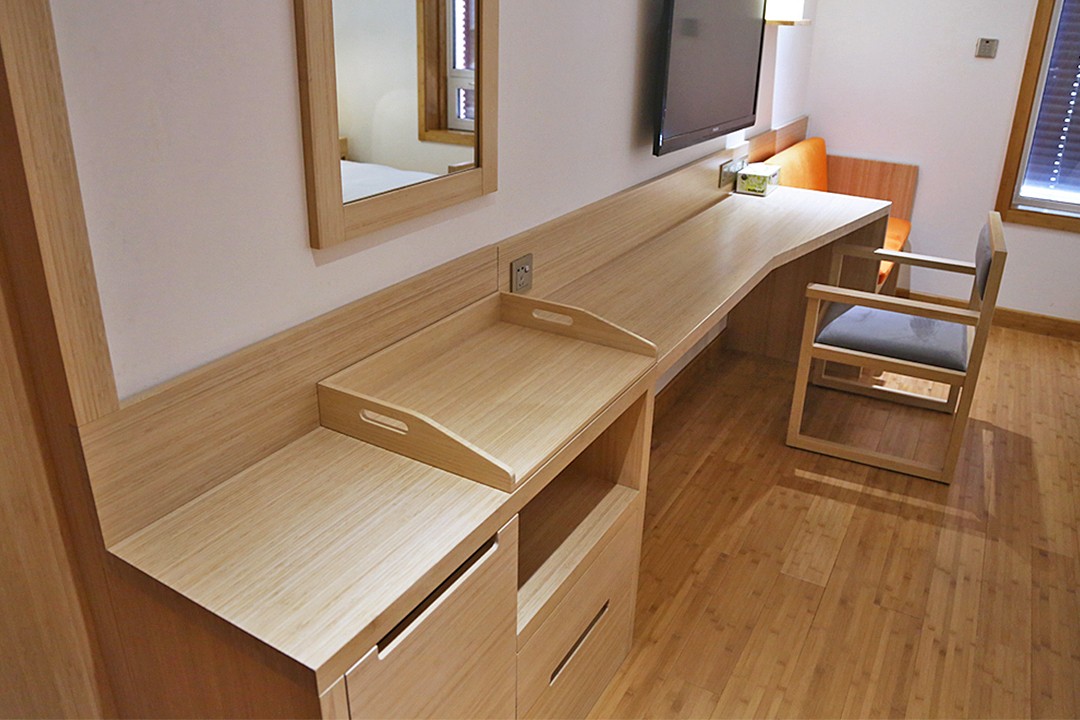
Engineered bamboo flooring has gained steady attention among homeowners and builders who want a surface that holds up well under constant activity without sacrificing aesthetics. High‑traffic spaces—entryways, kitchens, living rooms, hallways, family rooms—tend to expose flooring to scuffs, shifting temperatures, spilled items, dragged furniture, and countless footsteps. Selecting a material that can meet these demands requires an understanding of structure, durability, stability, and long‑term maintenance. Engineered bamboo rises to this challenge with a blend of strength, style, and practicality that makes it a standout option for busy households and commercial‑leaning interiors.
Engineered bamboo differs from traditional solid bamboo planks in the way it is built. Instead of a single solid piece, it features a top layer of bamboo attached to a multi‑ply core, usually made of cross‑laminated wood layers. This construction enhances stability, giving the floor a stronger resistance to seasonal movement and moisture fluctuations. Where solid planks may expand or contract more noticeably, engineered versions distribute stress across multiple layers, resulting in a steadier foundation. In high‑traffic areas, this structural reliability matters because flooring must hold its shape when subjected to a wide range of daily demands.
The bamboo wear layer plays a central role in how well the floor performs. High‑quality engineered bamboo generally uses a thick, dense top layer, often sourced from strand‑woven bamboo. Strand‑woven bamboo is known for its exceptional hardness, achieved by compressing bamboo fibers under intense pressure. This creates a surface that resists dents better than many hardwood species. High‑traffic rooms benefit from this added durability, especially if children, pets, or guests are frequently moving through the space. The wear layer also holds finishes more effectively, providing an added buffer against scratches and scuffs.
Moisture resistance is another strong point. While bamboo is not waterproof, the engineering process gives these planks stronger dimensional stability than many solid wood or bamboo options. Kitchens and entryways, which often deal with humidity shifts and occasional spills, tend to benefit from this trait. When installed correctly with appropriate underlayment and maintained with reasonable care, engineered bamboo can offer dependable performance in these settings. This has made it a practical alternative to hardwoods that may warp or cup in similar environments.
Design flexibility also contributes to its appeal. Engineered bamboo comes in a variety of colors, surface textures, and finishes, ranging from smooth contemporary styles to hand‑scraped or wire‑brushed surfaces that conceal minor wear. High‑traffic areas often expose the floor to small scratches, and these textured finishes help reduce their visibility. Homeowners who want a floor that maintains a clean appearance with minimal effort often gravitate toward subtle textures combined with mid‑range tones that blend well with different decor styles. The ability to choose wide planks, matte finishes, or even hybrid tones means engineered bamboo fits both modern and traditional spaces comfortably.
Sound control deserves attention, particularly in households with active foot traffic or in multi‑story buildings. Engineered bamboo, when paired with a suitable underlayment, can offer solid acoustic performance. The layered construction naturally dampens vibration, reducing hollow sounds that sometimes accompany thin or poorly installed flooring. This is especially useful in hallways and living rooms where people gather or move frequently. A good underlayment can also add underfoot comfort, making the surface feel more forgiving during long periods of standing or walking.
Installation methods contribute to performance as well. Engineered bamboo flooring often supports multiple installation approaches, including click‑lock floating systems, glue‑down applications, and nail‑down methods. Floating floors are popular in high‑traffic homes because they install quickly and can adapt to slight subfloor imperfections. Glue‑down installations provide a firmer feel and can enhance stability in busy areas. Selecting the right installation method depends on the environment, subfloor type, and personal preference for underfoot sound and firmness. Regardless of the method chosen, proper acclimation and moisture testing remain essential steps.
Maintenance routines for engineered bamboo flooring tend to be straightforward. Regular sweeping or vacuuming removes abrasive particles that might dull the finish. Damp mopping with a cleaner formulated for bamboo or hardwood maintains clarity without harming the protective coating. Because the planks resist dents and scratches well, maintenance tends to focus more on keeping the finish clear of debris than on addressing deeper issues. Homeowners often appreciate that the floor retains its appearance without requiring frequent refinishing or extensive repairs. Placing mats in entryways, using felt pads under furniture, and avoiding harsh chemicals further extend the floor’s lifespan.
Traffic flow patterns influence performance too. Every home develops areas where people walk most frequently—paths from the front door to the kitchen, routes from bedrooms to living rooms, or spots near kitchen islands. Engineered bamboo handles these patterns well thanks to its resilient surface and stable construction. Even so, balancing natural and artificial light can help maintain color consistency, as UV exposure may gradually warm or slightly shift tones over time. Strategic placement of rugs, particularly in sunny doorways or around furniture with metal feet, can help minimize wear in concentrated spots.
One notable advantage of engineered bamboo is its environmental profile. Bamboo grows rapidly and regenerates without replanting, making it a renewable material. When responsibly harvested and manufactured, bamboo flooring offers a resource‑efficient alternative to slow‑growing hardwood species. The engineered construction further increases sustainability by using cross‑laminated wood layers that maximize material yield. For homeowners who want durability without sacrificing environmental considerations, this combination presents a balanced choice.
Budget considerations play an important role in many flooring decisions. Engineered bamboo often occupies a comfortable middle range in price, falling below many premium hardwoods yet offering comparable or superior durability. This balance of affordability and performance appeals to those who want a high‑traffic floor that looks refined but doesn’t strain the renovation budget. Costs vary depending on plank thickness, wear‑layer density, finish type, and installation method, but the overall value tends to be strong compared with other flooring options in the same category.
Resale value is another factor worth noting. Many buyers appreciate modern, sustainable flooring that performs well under daily use. Engineered bamboo, especially when maintained properly, can contribute positively to a home’s appeal. Its stability, attractive appearance, and renewable material story help it stand out to those comparing properties. While hardwood still carries classic recognition, bamboo’s rising popularity and reputation for durability allow it to compete strongly in many markets.
Another point to consider is how engineered bamboo behaves in climate‑controlled environments. Homes with heating systems that dry the air during winter and cooling systems that increase humidity in summer can place stress on flooring. The layered construction of engineered bamboo handles these shifts better than many solid‑wood alternatives. This reliability helps prevent gaps, warping, or squeaks that sometimes appear when floors expand or contract too aggressively.
Pet owners often ask how engineered bamboo handles claws, toys, and enthusiastic indoor play. The dense wear layer offers a strong defense against scratches, particularly when combined with a durable finish. Textured surfaces further help disguise marks from pets, making engineered bamboo an appealing choice for households with dogs and cats. Regular nail trimming and area rugs in favorite play zones help keep the surface in excellent condition over time.
Commercial settings or hybrid spaces—home offices, small shops, studios—also find engineered bamboo useful. Its ability to handle foot traffic while retaining a polished appearance suits these environments well. The layered construction resists movement caused by temperature fluctuations often seen in commercial spaces. While heavy rolling loads may require additional protection, general foot traffic is rarely an issue for quality engineered planks.
As with any flooring choice, selecting the right product requires attention to detail. Wear‑layer thickness, finish quality, click‑lock design, and warranty terms all influence long‑term satisfaction. Thicker wear layers generally offer greater longevity and can sometimes be lightly refinished if needed. High‑quality finishes with aluminum oxide or similar protective coatings help keep the surface resilient in busy rooms. Ensuring the planks come from reputable manufacturers helps maintain consistency in color, durability, and milling precision.
Engineered bamboo flooring provides a compelling blend of durability, stability, and style that suits high‑traffic areas well. Its construction offers strength under pressure, while its surface options accommodate a wide range of design preferences. When chosen thoughtfully and maintained with simple routines, it serves as a long‑lasting foundation for daily activity, offering both function and visual appeal. For homeowners seeking a dependable floor that performs gracefully under constant use, engineered bamboo remains a strong contender that delivers reliable results in active spaces.