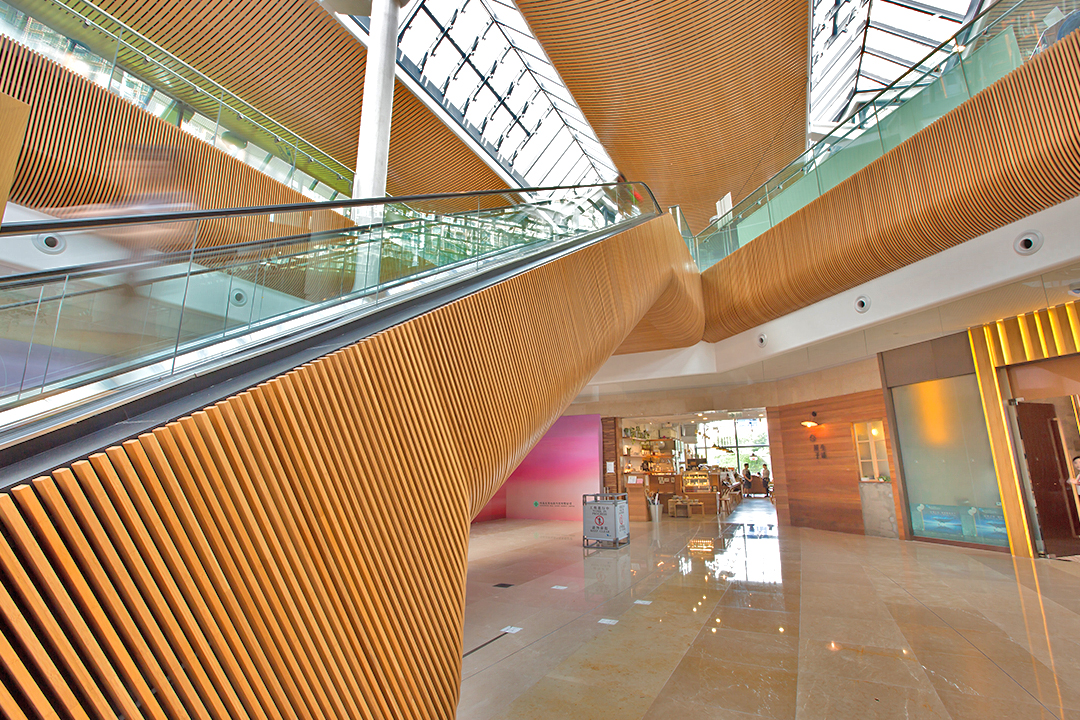
Bamboo veneer has become a respected material among designers, woodworkers, and homeowners seeking a refined, natural finish without relying on slow‑growing hardwood species. Its clean texture, consistent appearance, and structural reliability have made it a practical choice across cabinetry, furniture, wall panels, doors, and architectural accents. But bamboo veneer is not a single, uniform product. It comes in several distinct types, each offering unique visual qualities, performance characteristics, and design advantages. Understanding these varieties helps you choose the veneer that fits your project’s needs, aesthetic goals, and functional requirements.
Bamboo itself is a remarkably versatile raw material. Manufacturing techniques allow it to be sliced, pressed, woven, and layered in different ways, producing veneers that range from subtle and understated to rich and dynamic. While all bamboo veneers share certain traits—sustainability, stability, and a reliable grain—each type carries its own personality. Exploring these options can be both inspiring and practical when planning a project that requires precision, style, and durability.
Plain Pressed Bamboo Veneer
Plain pressed bamboo veneer is one of the most recognizable forms, known for its clean and organized grain pattern. During production, bamboo strips are laid flat and pressed together to create sheets that reveal the natural, linear fiber structure of the plant. This produces a surface with a gentle, vertical grain that appeals to those who value simplicity and clarity in design.
Plain pressed veneer comes in two primary variations:
• Natural: A light, creamy tone that reflects bamboo’s original color.
• Caramelized: A warm, honey‑brown hue created through heat treatment that deepens the natural sugars within the bamboo.
Natural plain pressed veneer works beautifully in bright, minimal spaces, while caramelized versions add warmth and depth. Both options suit modern cabinetry, room dividers, furniture panels, and closet systems. Their consistent appearance makes them especially useful when covering large surface areas where uniformity matters.
Vertical Grain Bamboo Veneer
Vertical grain veneer is often grouped with plain pressed veneer, but its appearance differs slightly due to the arrangement of bamboo strips. In this type, the strips are oriented on their edges before being bonded and pressed. This produces a fine, narrow, vertical grain pattern that feels slightly more structured and refined compared to the wider lines of flat‑pressed styles.
The result is a smooth, contemporary surface that works well for:
• Interior doors
• Architectural millwork
• Wall cladding
• Office furniture
• Decorative accents
Vertical grain bamboo veneer provides a subtle aesthetic that appeals to designers seeking a blend of natural material and modern minimalism. Its orientation also enhances visual height on tall panels, making it a popular choice for closets and room partitions.
Horizontal Grain Bamboo Veneer
Horizontal grain veneer is created by placing bamboo strips flat, revealing the characteristic “knuckles” or growth nodes that appear along the stalk. These nodes form gentle, rounded patterns that give horizontal grain bamboo its signature appearance.
This style is particularly appealing to those who want a slightly more organic, expressive look. The horizontal grain delivers:
• Greater visual movement
• Distinctive natural patterning
• A connection to bamboo’s recognizable structure
Horizontal grain veneer works well in living rooms, hospitality environments, restaurants, and creative workspaces where a touch of natural character enhances the atmosphere. Its rhythmic pattern also pairs beautifully with minimalist furnishings, allowing the veneer’s texture to become a focal element.
Strand‑Woven Bamboo Veneer
Strand‑woven bamboo veneer offers a markedly different appearance from traditional varieties. Instead of slicing bamboo culms into strips, the fibers are shredded, mixed with adhesives, and densely compressed under heat and pressure. This compression forms a tough, durable material with a richly interwoven texture.
The resulting veneer showcases:
• Dense, dramatic grain patterns
• High hardness and excellent durability
• A modern, bold visual style
Strand‑woven veneer is ideal for high‑traffic areas or surfaces that need extra resilience, such as:
• Tabletops
• Hospitality furniture
• Stair components
• Commercial wall panels
• Retail fixtures
Its intricate grain looks almost like a cross between hardwood and bamboo, giving designers a visually striking, contemporary surface with an exceptionally solid feel.
Reconstituted Bamboo Veneer
Reconstituted bamboo veneer, sometimes called engineered bamboo veneer, uses processed bamboo fibers that are dyed, layered, and pressed into blocks before being sliced into sheets. This creates veneers with highly controlled grain patterns and coloration.
Reconstituted veneer allows for:
• Uniform color across multiple sheets
• Predictable grain direction
• Extremely consistent appearance
Many designers turn to reconstituted bamboo when they need large, uninterrupted areas of perfectly matched veneer—such as hotel corridors, built‑in cabinetry systems, and retail store interiors. The ability to achieve near‑perfect color alignment simplifies large‑scale fabrication and installation.
Textured Bamboo Veneer
Some manufacturers produce bamboo veneers with surface textures applied through brushing, wire‑brushing, embossing, or carving. These textures enhance the tactile quality of the veneer, adding depth and dimension.
Common textures include:
• Brushed: Soft, subtle lines that highlight grain patterns
• Embossed: Geometric or organic patterns pressed into the surface
• Rough‑sawn: A rustic, saw‑cut effect for character‑driven designs
Textured bamboo veneer works well in feature walls, hotel lobbies, restaurants, and any setting that benefits from added visual and tactile interest. When used alongside smooth bamboo surfaces, it creates sophisticated contrast.
Carbonized Bamboo Veneer
Carbonized veneer is not a separate structural category but a finishing variation that significantly influences aesthetics. Through controlled heating, bamboo darkens as its natural sugars caramelize. The tone can range from soft amber to deep brown.
Carbonized veneer brings:
• Warmth to modern spaces
• A richer color palette
• An alternative to darker hardwoods
Both plain pressed and strand‑woven varieties can be carbonized, providing designers with several options depending on desired tone and grain expression.
Thick and Thin Veneer Options
Bamboo veneer is available in multiple thicknesses, typically ranging from 0.3 mm to 2 mm or more. Thin veneers suit traditional pressing onto MDF or plywood substrates, while thicker versions are used in situations requiring better sanding tolerance or greater durability.
Thicker veneers are helpful in:
• Furniture surfaces that may be refinished
• Door faces
• Panels exposed to moderate wear
Thinner veneers provide flexibility and are often used for curved surfaces or intricate designs.
Factors to Consider When Choosing the Right Type
Selecting the right bamboo veneer involves evaluating several practical and aesthetic factors. While all types offer consistent quality, each brings unique strengths.
Grain and Visual Style
Consider whether you want a structured, calm appearance or a dynamic, highly textured surface. Horizontal grain and strand‑woven veneers show more visual movement, while vertical grain and plain pressed veneers lean toward minimalism.
Color Requirements
Natural bamboo delivers a light, airy look, while caramelized or carbonized options introduce warmer, deeper tones. Reconstituted veneers provide the most reliable color consistency across large projects.
Durability Needs
Strand‑woven veneers offer outstanding toughness, making them well‑suited for furniture tops and commercial installations. Plain pressed veneers suit lighter‑use areas or decorative surfaces.
Application and Environment
Wall panels, ceilings, cabinetry, and furniture each place different demands on the veneer. Moisture‑prone areas require careful substrate selection and high‑quality finishing to ensure stability.
Budget
Standard plain pressed veneers often come at a lower price point, while specialty textures and strand‑woven materials generally fall into a higher range.
Where Different Types Excel
Each veneer type shines in specific applications:
• Plain pressed: Kitchens, closets, built‑ins, minimalist furniture
• Vertical grain: Doors, office interiors, contemporary spaces
• Horizontal grain: Feature walls, hospitality spaces, creative environments
• Strand‑woven: Heavy‑use furniture, commercial panels, stair elements
• Reconstituted: Large projects needing uniformity
• Textured: Accent walls, decorative installations
• Carbonized: Warm, inviting interiors with natural depth
Understanding these roles helps match material to purpose.
A Material with Broad Possibilities
Bamboo veneer blends efficiency, beauty, and reliability with a diverse set of grain patterns and structural options. Its variety offers a wide spectrum of design possibilities, from sleek modern cabinetry to richly detailed commercial interiors. By choosing the veneer type that aligns with your project’s functional requirements and design vision, you can take full advantage of bamboo’s natural strengths and aesthetic versatility.